Support at home

Clinical nursing

Capable, compassionate palliative care at home

You’ve spent your best days at home, and you want to spend your last days there too.

We’re here to help you do that.

Our Master’s-qualified Palliative Care Nurse Practitioner leads a skilled end-of-life nursing team available 24/7. We can provide round-the-clock pain management and support to keep you as comfortable as possible in your own home, a place of familiarity, connection and belonging.
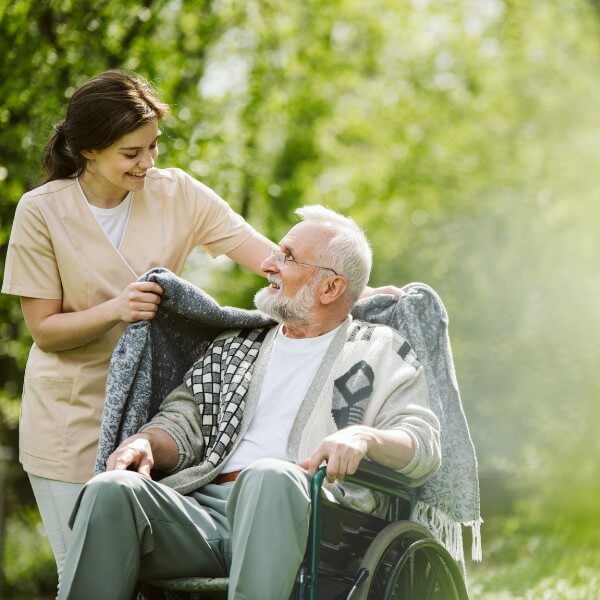

Young woman embracing an older woman outdoors

Dignity and comfort at the end of life

Dying well means something to each person. When we first meet you and your family, we ask what’s important to you and why it matters.

We encourage you to tell us about:

  • Specific routines or rituals that matter to you, big or small
  • Your religious/spiritual beliefs and cultural practices
  • Who’s likely to visit, and if you’d welcome our help managing how long they stay
  • Your favourite parts of the house – if you love to sit on the balcony in the afternoon sunshine, we’ll try to make that happen regularly
  • Who should be involved in decisions
  • How much you want to know, and how much you’d rather we discuss with your family instead.

Your wishes are built into our care plans from the outset so that your end-of-life care honours you.

A highly skilled and experienced team

With the right clinical and practical support, many people with complex end-of-life care needs can stay at home until the end.

Led by our Master’s-qualified Palliative Care Nurse Practitioner, our community palliative nursing team builds a care plan shaped around what comfort, respect and dignity mean to you.

Our support may include:

  • Easing pain and other symptoms
  • Administering medications, including syringe driver medication when needed
  • Personal care (e.g. toileting, bathing, dressing)
  • Overnight assistance so family members can rest
  • Emotional support and meaningful conversations
  • Connecting you to spiritual support if that’s important to you
  • Continuous care during periods of greater need.

We work alongside you, your family and your wider treatment team, ensuring your care plan keeps pace with your changing needs.

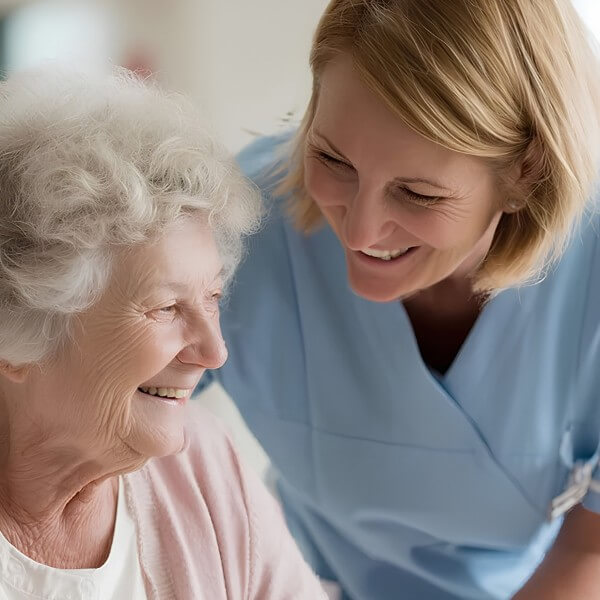
Care worker smiling with an older woman during a supportive conversation

No-one should do this alone

Funding your palliative care at home

End-of-life pathway under the Support at Home program

Private and DVA funding

If you’re not eligible for the official end-of-life pathway, you can still receive palliative care at home.

Some people fund this privately; others go through the Department of Veterans’ Affairs.

Not sure what applies to your family? Please contact us, and we’ll help you understand your options so you can decide what’s best in your situation.

How to get started

1. Call us to talk through your needs and your funding options
2. We listen carefully so we understand what matters most to you and your family
3. We build a care plan based on your wishes
4. Our palliative care nurses begin supporting you at home, adjusting as things change
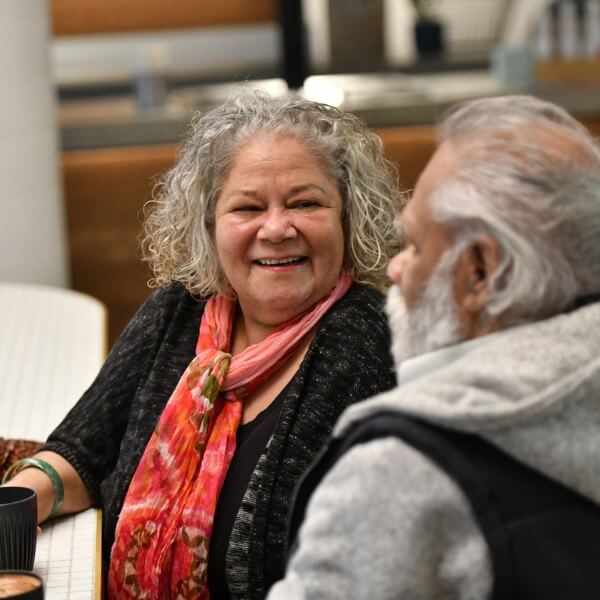
Older woman smiling while talking with an older man at a table

Request a call

keyboard_arrow_up